If you searched for pip meaning work, you probably received a document from a manager, heard the acronym in a meeting, or are trying to interpret a coworker's situation. In most U.S. workplaces, PIP means Performance Improvement Plan. It is a formal written process that identifies performance concerns, sets expectations, and gives an employee a defined period to improve. Sometimes it is a genuine coaching tool. Sometimes it signals that termination is being considered. The document itself does not tell you which situation you are in, so the details matter.
PIP meaning work and what the document usually contains
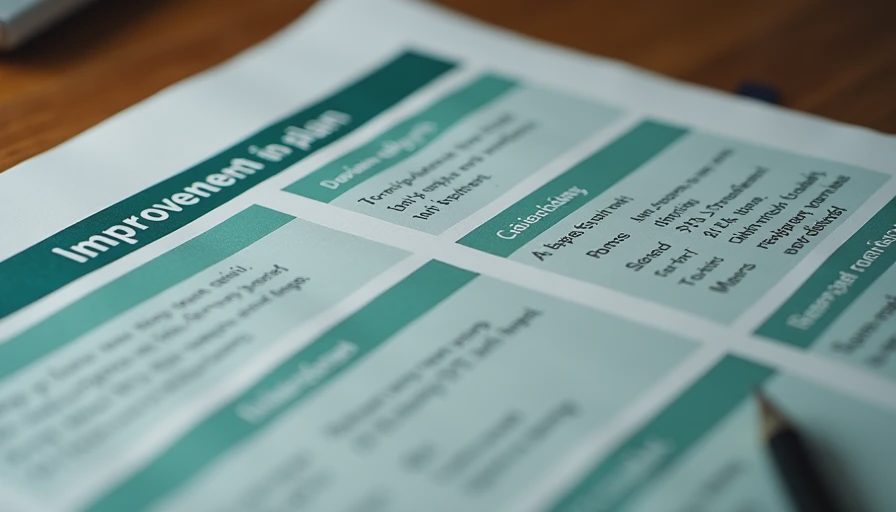
The practical meaning of a PIP at work is a structured warning with measurable requirements. A typical plan describes the alleged problem, gives examples, states the expected standard, provides a deadline, and explains how progress will be reviewed. The timeline might be 30, 60, or 90 days, although some plans use shorter or longer periods.
For example, “communicate better” is too vague to evaluate fairly. A stronger requirement might say that customer support tickets must receive an initial response within one business day, with quality reviewed during weekly meetings. A sales plan could specify a number of qualified opportunities, while an administrative plan could address missed deadlines, accuracy, or attendance. Specific language gives both sides something concrete to discuss.
The pip meaning work is not automatically “you are fired.” It is closer to “your employer says your current performance is below its required level, and continued employment depends on improvement.” Many employers use PIPs before termination, but others use them to create accountability after informal coaching has not worked. Your history, the language of the plan, and your manager's behavior are more useful clues than the acronym alone.
Read every page carefully. Look for the start and end dates, the person evaluating you, meeting frequency, examples of deficient work, and the consequences of not meeting expectations. Check whether the requirements are within your control. A target based on a broken software system, missing training, or an impossible workload deserves a written question.
How to respond during the first week
When learning pip meaning work, the first priority is not an emotional argument in the meeting. It is creating a reliable record. Ask for time to review the plan, then send a calm follow-up email confirming what you understand. You can write, “I understand that the expectations are A, B, and C, with weekly reviews beginning Friday. Please let me know if I have misunderstood any requirement.”
Bring evidence to each discussion. Save completed projects, customer feedback, quality scores, approved deadlines, training records, and messages that explain delays. Keep copies outside company systems if permitted by policy, but do not take confidential customer data, trade secrets, or proprietary files. A simple private log can record the date, meeting participants, requested work, obstacles, and final result.
Ask questions that force clarity without sounding combative. What does successful performance look like? Which examples support this concern? How will quality be measured? Who makes the final assessment? What resources or training are available? If a deadline conflicts with another assignment, ask your manager to rank the priorities in writing.
Do not ignore the plan while waiting to see what happens. Show up prepared, meet deadlines, and send concise status updates. At the same time, do not promise impossible results or admit to facts that are inaccurate merely to end a tense conversation. You can acknowledge receipt of a document without agreeing with every statement in it.
Is a PIP fair, or is it a paper trail?
The pip meaning work can change depending on how the employer uses the process. A fair plan normally connects concerns to the job description, gives reasonable time to improve, offers access to needed tools, and applies standards consistently. A questionable plan may rely on vague accusations, introduce goals that were never part of the role, change expectations weekly, or refuse to explain how success will be measured.
Neither a fair-looking document nor an unfair experience proves what will happen next. Gather facts instead of relying on office rumors. Compare the plan with earlier performance reviews, one-on-one notes, project assignments, and any documented changes in workload. If your manager says your output declined, identify the period being discussed and ask whether staffing, priorities, or system changes affected it.
You can disagree professionally. Use a written response with separate sections for facts, corrections, and questions. For instance, if a plan says three reports were late, identify the delivery dates, approval delays, and supporting messages. Avoid personal attacks and avoid sending a long emotional statement to a company-wide channel. A focused record is more useful than a dramatic one.

What a PIP means for your job search
A PIP meaning work question often becomes a career-planning question. Even if you intend to improve, prepare for the possibility that employment will end. Update your resume, reconnect with trusted contacts, and review your budget. Do not use company time or equipment for an outside job search if policy prohibits it. You may also want to identify references who can speak accurately about your work, without disclosing confidential employer information.
Review your benefits before making a rushed decision. Check how health coverage, paid time off, retirement contributions, commissions, and unemployment eligibility are handled after separation. Rules differ by state and by the circumstances of the departure, so a worker-facing legal aid organization, employment attorney, or state agency can provide more reliable guidance than a social media post.
Do not automatically resign because a PIP feels uncomfortable. Resigning can affect income, benefits, and the facts considered in an unemployment claim. Conversely, do not stay silent about harassment, discrimination, retaliation, wage issues, or a disability-related accommodation need. Those subjects can involve separate legal protections, and prompt advice from a qualified professional is safer than guessing.
A practical way to judge your next move
Use the pip meaning work as a prompt to ask four grounded questions. First, are the goals specific enough that two reasonable people would measure them the same way? Second, do you have the authority, time, training, and tools to meet them? Third, has the manager scheduled real feedback rather than waiting until the final day? Fourth, is your work improving when you follow the stated requirements?
A strong answer to those questions supports a focused improvement effort. Schedule weekly checkpoints, prioritize the listed goals, and request written feedback after each review. If the answers are consistently negative, continue documenting while preparing for another role. A PIP is not a verdict on your intelligence or long-term value; it is a workplace process with consequences attached.
The most useful pip meaning work is neither panic nor false reassurance. Treat the plan seriously, make expectations measurable, preserve your records, and protect your options. What changed in the actual workflow? What is the evidence? What should a worker do next? Those questions help separate a solvable performance problem from a process that was designed to justify an exit.





No feedback yet — submit the first.