The question “will software engineer jobs be replaced by AI” is no longer a distant thought experiment. Tools such as GitHub Copilot, ChatGPT, Claude, and Amazon Q can generate code, explain errors, write tests, and create basic applications in minutes. That is a real change in the workflow. It does not automatically mean every software engineer is headed for unemployment, but it does mean the job is being split into tasks that machines handle well and responsibilities that still require human judgment.
What AI can already do in software development
AI is strongest when the assignment is clear, the code pattern is familiar, and the result can be tested quickly. A developer can ask an AI assistant to create a REST endpoint, convert a JavaScript function to Python, draft SQL queries, write unit tests, or summarize an unfamiliar codebase. For routine work, the time savings can be substantial. A ticket that once took two hours to research and implement might become a 30-minute review task.
That efficiency can affect entry-level hiring first. Some companies may need fewer people for repetitive maintenance, basic internal dashboards, or simple website features. A small business that previously hired a junior developer for a straightforward project might use a no-code platform plus an AI coding assistant instead. This is a genuine risk, especially for workers whose jobs consist mostly of translating clear instructions into standard code.
However, generated code is not the same as a reliable product. AI can invent libraries, misunderstand business rules, introduce security flaws, or produce a solution that works in a demonstration but fails under real traffic. Someone still has to define the problem, evaluate tradeoffs, inspect the output, manage deployments, and accept responsibility when customers lose data or money.

Will software engineer jobs be replaced by AI, or redesigned?
The more useful question is what changed in the actual workflow. Software engineering includes far more than typing syntax. Engineers interview users, negotiate requirements, choose architectures, investigate production incidents, protect sensitive data, and explain technical risks to nontechnical colleagues. Those activities involve context that is often missing from a prompt.
Consider a payment platform handling millions of transactions. An AI tool can suggest an API implementation, but a human team must decide how to handle duplicate charges, outages, fraud checks, audit records, and privacy obligations. A recommendation system also requires judgment about biased outcomes, data quality, and business priorities. These are not merely coding problems.
This is why the likely near-term outcome is job redesign rather than instant replacement. One engineer with strong tools may complete more work than one engineer without them. That could reduce hiring for some projects, raise expectations for productivity, or allow a smaller team to build a larger product. It could also create new work in AI integration, evaluation, security, data governance, and reliability.
The distribution of gains matters. If a company uses AI to increase output while holding staffing steady, workers may experience less tedious work. If leadership treats AI as a reason to cut headcount, the same technology becomes a source of wage pressure. Personal experience, public data, or inference should be labeled clearly when discussing those outcomes; a vendor demo is not evidence of broad labor-market replacement.
Why experienced engineers are not automatically safe
Experience helps, but seniority alone is not protection. An engineer who refuses every new tool can become less competitive if peers use AI to research faster, automate tests, or document systems more effectively. At the same time, an experienced engineer who blindly accepts generated code can create expensive failures. The valuable combination is technical depth plus careful tool use.
Senior engineers often hold institutional knowledge about old systems, customer behavior, compliance requirements, and operational history. That knowledge is difficult to reproduce from public code. They also make decisions when requirements conflict or when there is no clean answer. Those responsibilities can preserve demand, although a company may ask fewer senior people to supervise a larger amount of AI-assisted work.
For junior engineers, the path is harder but not closed. The old entry-level bargain was often “learn by completing small tickets.” If AI handles many small tickets, new workers need deliberate practice with debugging, testing, version control, databases, networking, and code review. Building a project from an AI-generated draft is not enough. A candidate should be able to explain why the design works and how it fails.
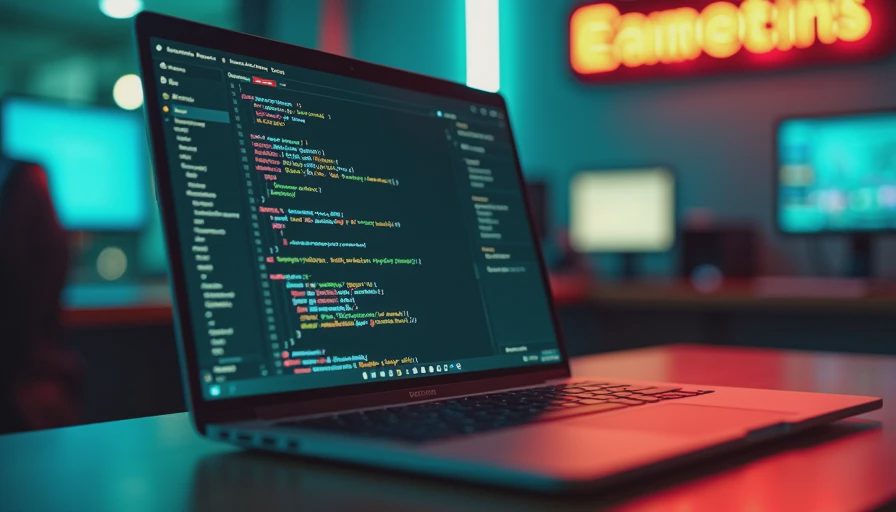
Skills that can improve an engineer's position
The safest skills are not tied to one brand or model. Learn how to break an ambiguous business problem into testable requirements. Practice reading code written by someone else. Understand authentication, authorization, data modeling, observability, and deployment. These foundations help an engineer detect plausible-looking mistakes instead of treating fluent output as correct.
Security is another durable area. Companies need people who can review dependencies, reduce attack surfaces, protect credentials, and respond to incidents. AI can assist with security checks, but it can also generate insecure patterns or expose confidential information when used carelessly. Engineers who understand threat modeling and privacy controls can contribute beyond ordinary feature delivery.
Communication also matters more as code becomes cheaper to produce. The engineer who can explain a tradeoff to a product manager, document a decision, and coordinate a safe rollout is harder to replace than someone who only completes isolated coding prompts. Build a portfolio that shows the reasoning behind projects: requirements, tests, monitoring, failure handling, and revisions.
What hiring could look like next
The phrase will software engineer jobs be replaced by AI suggests a single national outcome, but hiring will vary by industry and company size. A venture-backed software company, a hospital, a bank, and a local marketing agency face different risks and budgets. Regulated sectors may adopt AI cautiously because errors create legal, safety, or financial consequences. Small teams may adopt it quickly because one tool can cover several routine functions.
Job descriptions may increasingly ask for AI-assisted development, code review, automation, and system ownership. Employers may also reduce the number of take-home coding exercises and place more emphasis on debugging, architecture discussions, security scenarios, and communication. Candidates should ask what tools the team uses, how generated code is reviewed, and whether productivity gains are expected to support growth or reduce staff.
Workers should watch actual workplace evidence: changed ticket volume, fewer junior openings, altered interview requirements, new review policies, and measurable shifts in team size. A headline about a new model is only a starting point. The meaningful question is whether the product changes headcount, wages, daily tasks, or hiring standards.
A practical plan for engineers and job seekers
Start by using one reputable assistant on low-risk work. Compare its suggestions with your own solution, run tests, and keep notes on recurring errors. Never paste proprietary code, customer data, credentials, or regulated information into a tool unless your employer has approved that use. Treat output as an untrusted draft.
Next, choose a domain where context matters, such as healthcare systems, financial infrastructure, logistics, cybersecurity, or developer tools. Learn the domain's vocabulary and failure modes. Then create a small project that demonstrates more than generated code: include a clear README, automated tests, error handling, logging, and a short explanation of design decisions.
So, will software engineer jobs be replaced by AI? Some narrow tasks and some roles will disappear or shrink, while other jobs will be reshaped around review, architecture, security, and product judgment. The workers with the strongest position will not be those who predict perfectly. They will be the ones who measure what changed in their workflow, learn the tools without surrendering judgment, and build skills that matter when the generated answer is incomplete or wrong.




No feedback yet — submit the first.